
Point of Care Analysis
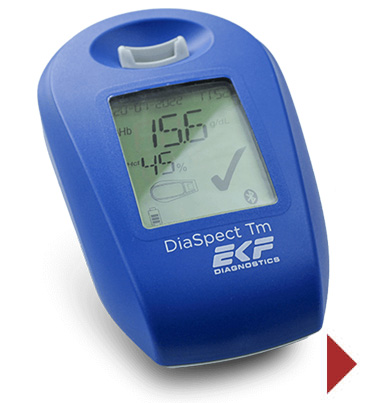
A haemoglobin analyser is a device that measures the amount of haemoglobin in a blood sample, which indicates the blood’s ability to carry oxygen. These analysers are used for routine health checks and to diagnose conditions like anaemia or polycythaemia. They are available in various forms, from large lab machines to small, portable, point-of-care devices that can provide rapid, accurate results from a small drop of blood.
We have over 25 years of experience at the leading edge of Point of Care Analysis, supplying and supporting more than 5000 practitioners throughout the UK. In partnership with major diagnostics manufacturers and healthcare suppliers worldwide, we are always seeking to introduce and innovative effective diagnostic solutions. Our haemoglobin analysers make blood donation and anaemia screening easier.
- A small amount of blood is placed on a special slide called a cuvette..
- The analyser uses an optical detector to measure the blood’s properties, such as changes in reflectance.
- In some cases, different technologies like isoelectric focusing or liquid chromatography are used to identify different types of haemoglobin.
- Portability: Many modern analysers are small, handheld devices that can be used at the patient’s side.
- Speed: They provide results in seconds, allowing for quick diagnosis and treatment.
- Ease of use: Many devices are designed to be user-friendly, often with simple, step-by-step instructions.
- Data management: Some analysers include features like automatic storage of results and connectivity to other systems.
- Routine blood tests during a physical exam.
- Investigating symptoms such as fatigue, weakness, or shortness of breath.
- Monitoring the effectiveness of treatments for anaemia, polycythaemia or other blood-related conditions.
- Diagnosing specific conditions that affect red blood cell count.